


The story of Coatesville Savings Bank is a page-turner. While having all the cinemographic elements of a great American comeback tale, it’s a story that may have never been told.
The beleaguered rail stop on the Keystone line between Philadelphia and Harrisburg was once home to the mighty Lukens Steel Works, whose prestige extends from aircraft carriers and NASA rockets to the famous “forks” of the towers of the World Trade Center. When the mill’s fortunes tumbled with the decline of domestic steel, the town and its people held fast.
Hope never died in Coatesville.
When Sears, JCPenney, chain grocery stores, and a host of homegrown storefronts pulled up tent pegs, so did most of the banks. Those who pledged their forever loyalty to customers proved unreliable—a commitment far more flexible than steel.
But the loss of five of the six Coatesville-area banks proved the most potentially devastating to a post-Lukens recovery. Without access to reliable lending, businesses and homeowners would be vulnerable to unprecedented exposure. Without capital, a community’s fragile ecosystem would no longer be able to support even the faintest whisper of economic opportunity. Banks were essential.
The heroes of this do-or-die story are Fred Henrich and the board of directors at Coatesville Savings Bank. Unlike the five banks that left, they dug in deeper. It was a decision that never seemed to be in question. Coatesville, like hundreds of community banks, has a mission bigger than profit—a moral obligation to honor the trust of its customers. These are the banks that are often swept up in waves of negative stories generated by bad industry actors.
Engaging Emotions
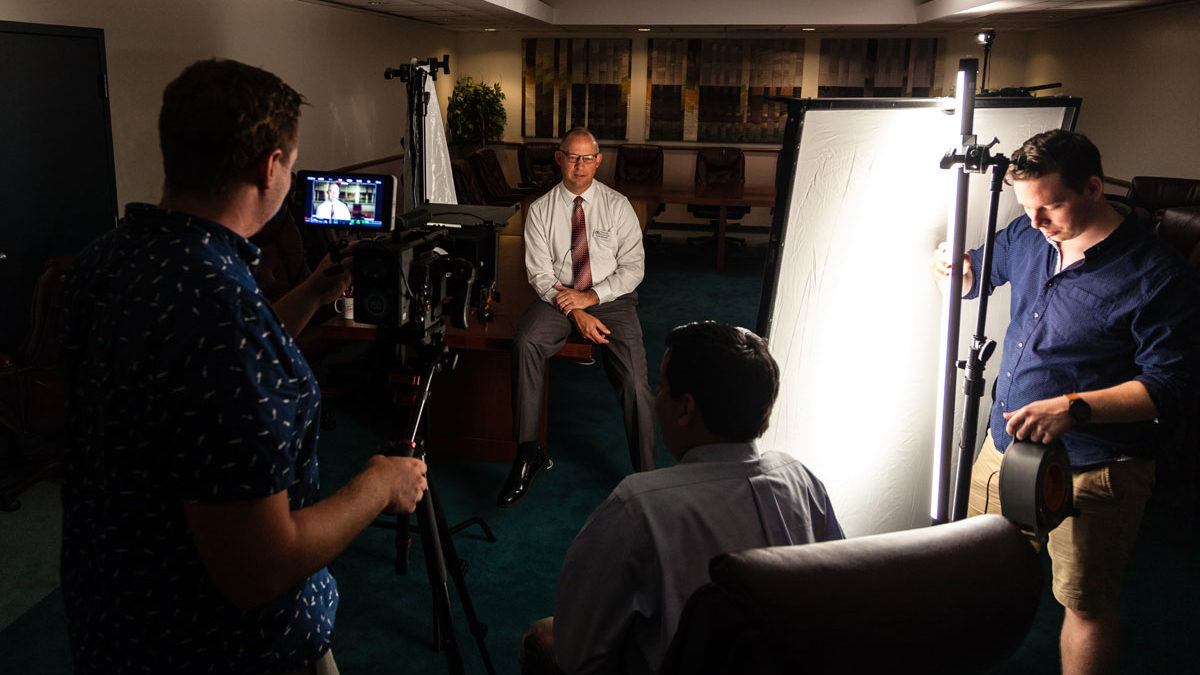
In the summer of 2017, PACB launched its first statewide storytelling project aimed at communicating the emotional connection between community banks and customers. Under the direction of President Nick DiFrancesco, PACB expanded its marketing team to include a team of storytelling filmmakers.
“It was obvious to us that the culture is running away from thin, transactional relationships with clients once focused on value propositions and benefits, to ones that engage on a deeply emotional level. This is a good trend, and important for us to understand,” said DiFrancesco. He added, “Brands like Starbucks, Target, and Chik-fil-A aren’t pushing the price of coffee or chicken sandwiches, they’re creating a connection through authentic, human experience. Our customers want to know they’ve got a friend who will hang in there in the tough times. We have hundreds of untold stories of how we’ve done just that.”
The project is called, Keeping the Lights on in Our Hometown: Pennsylvania’s Community Banks. According to DiFrancesco, “We’re moving away from logos and acronyms that communicate little, to a message that says who we are, and what we do.”
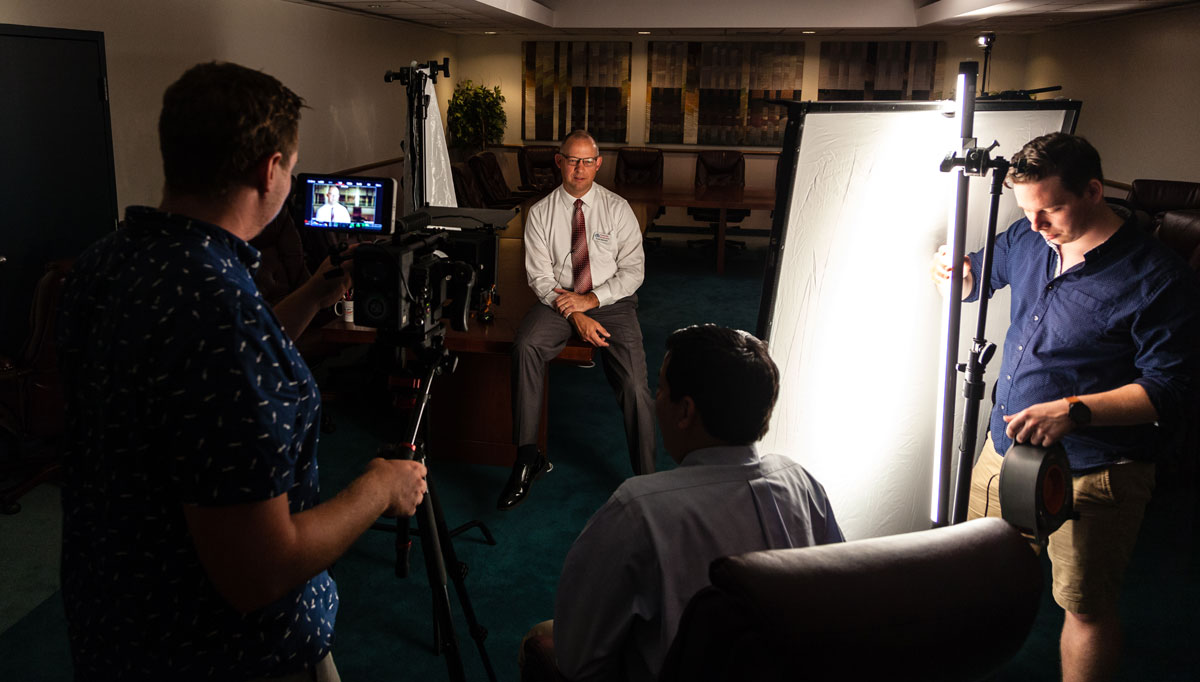
The PACB team film crew produced the first documentary-style video short about the Coatesville Savings Bank’s employees and customers. The dramatic, seven-minute piece is aimed at boosting employee morale and widening the separation between Wall Street and community banks.
Is It Time to Tell Your Story? 5 Key Questions
To help community banks evaluate your own story, we’ve developed the following questions to help guide the conversation with your communications team:
- Do the people in our organization, from environmental services to the CEO, understand the gift our bank is to this community? Do they believe it, and can they repeat our amazing story?
- Do our customers recognize the difference they feel when working with, and being served by, our bank? Have we adequately captured their story?
- Are our employees and customers true brand ambassadors? Are they excited on both ends of the service experience—serving and being served?
- Does our bank’s story parallel the struggles and hardships experienced by our customers? Do our customers know we’re in this with them? Have we told this story?
- Can our customers distinguish our story from big, Wall Street banks? Do they know and understand the difference, or are we all the same?
The team at PACB would love to lead your team in discussing the first steps in sharing your story of customers and friends.
Telling Your Best Story: Lessons from Coatsville Savings Bank